The importance of learning how to eat… and how to cook

✓ Nutrition and technique: the life-changing duo
Eating nutritiously isn't just about "choosing something healthy," but about understanding ingredients, knowing their nutrients, and learning how to cook them to truly get the most out of them. When you know why a food nourishes you and how to prepare it, eating well becomes easy, intuitive, and enjoyable.
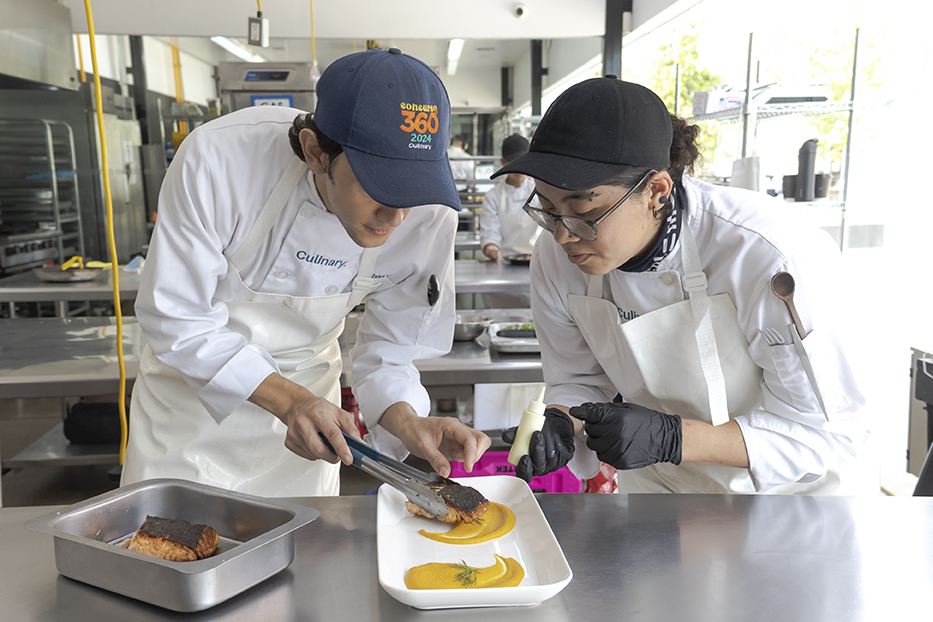
Mastering basic knife skills, preparing mineral-rich broths, fermenting vegetables to improve digestion, or using techniques like papillote to preserve nutrients completely transforms your daily diet.
✓ Simple nutrition tips that actually work
- Fill half your plate with vegetables at least once a day.
- Choose lean proteins (chicken, fish, legumes) and pair them with healthy fats.
- Prioritize foods that don't have an ingredient list: fruits, vegetables, seeds.
- Avoid sugary drinks; switch to teas or fruit-infused water.
- Plan 2 or 3 base preparations per week to make your meals easier.
✓ Nutritious cooking in action
Nutritious cooking is practical and delicious. Simple examples:
- Replacing store-bought dressings with a homemade almond and herbone.
- Preparing sauerkraut or pickles to add probiotics.
- Making natural hummus, whole-wheat pita bread, or sugar-free granola.
- Using slow cooking methods to preserve nutrients.
- Choosing real food, reading labels, and reducing ultra-processed items.
✓ From theory to your table
Nutrition comes to life when it reaches your plate. Mastering ingredients, techniques, and combinations allows you to build a delicious and balanced diet. Researching and joining nutrition-focused educational programs is the perfect bridge between knowing… and doing.
✓ Culinary’s Diploma in Nutritious Cooking
To learn these techniques with hands-on practice, Culinary offers the Diploma in Nutritious Cooking (February 2026), which covers hygiene, NOVA classification, micro and macronutrients, batch cooking, Mediterranean cuisine, gluten-free breakfasts, anti-inflammatory diets, nourishing desserts, and Mexican cuisine. It includes culinary practice with knife skills, ferments, stocks, dressings, and more.