Diana Villanueva: Teaching wine through passion and confidence
A conversation about learning, teaching, and the growth of the wine industry.
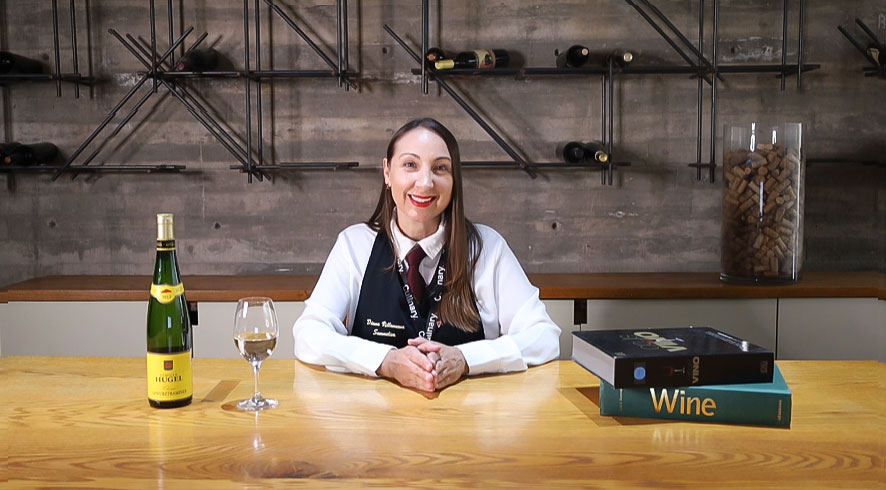
Some career paths aren't planned; they are discovered one step at a time. Diana Villanueva’s story is one of them: a journey that began in business administration and, almost without realizing it, led her to immerse herself in the world of wine, eventually turning it into her vocation, profession, and life’s work. In this interview, Diana shares her journey, the challenges she has faced, and the passion that drives her today as a wine educator and advocate.
.
Alright Diana, let’s get started. Can you tell us a little bit about your career?
Well, I started with a degree in Business Administration, but life led me down the path of wine. That’s why I later pursued a specialization in Oenology and Viticulture and a Sommelier Diploma. Since I loved learning, I continued with the WSET Level 3 Award in Wines and Italian Wine Essentials from the Wine Scholar Guild, as well as several international courses, such as the one on Grape Ampelography, taught by the International Organisation of Vine and Wine in Chile, and the certification as a DO Jumilla Wine Educator.
I am currently a certified WSET and DO Jumilla educator, and I am pursuing a master’s degree in Viticulture and Wine Business.
How did you go from being an administrator to entering the world of wine?
Haha, it was pure coincidence. I’m from Ensenada, and in 2013, I started working in the Guadalupe Valley managing a boutique hotel. Although I already knew about wine as an enthusiast, I had never had any formal training, but fate kept guiding me, and I ended up in the wine sales department of El Cielo, I managed the northwest region for five years, and that was when I realized I needed more tools to communicate effectively, so I started looking for options.
How was your first professional experience with wine?
As I was saying, I wanted to have more knowledge to speak about wine properly, so I enrolled in the Sommelier Diploma at Culinary. I can tell you that if I compare that early stage to where I am now, I am definitely a different person.
Do you think the industry has changed since 2013?
Well, based on my experience, I can tell you that before, many people started working at a winery without formal training; education came later. Fortunately, today's young people have a better idea of what to study, what certifications exist, and where they want to go. The industry has grown significantly in terms of educational offerings and opportunities, and I think that leads to more purpose, more clarity, and more professionalism.
And tell me, how did you end up teaching?
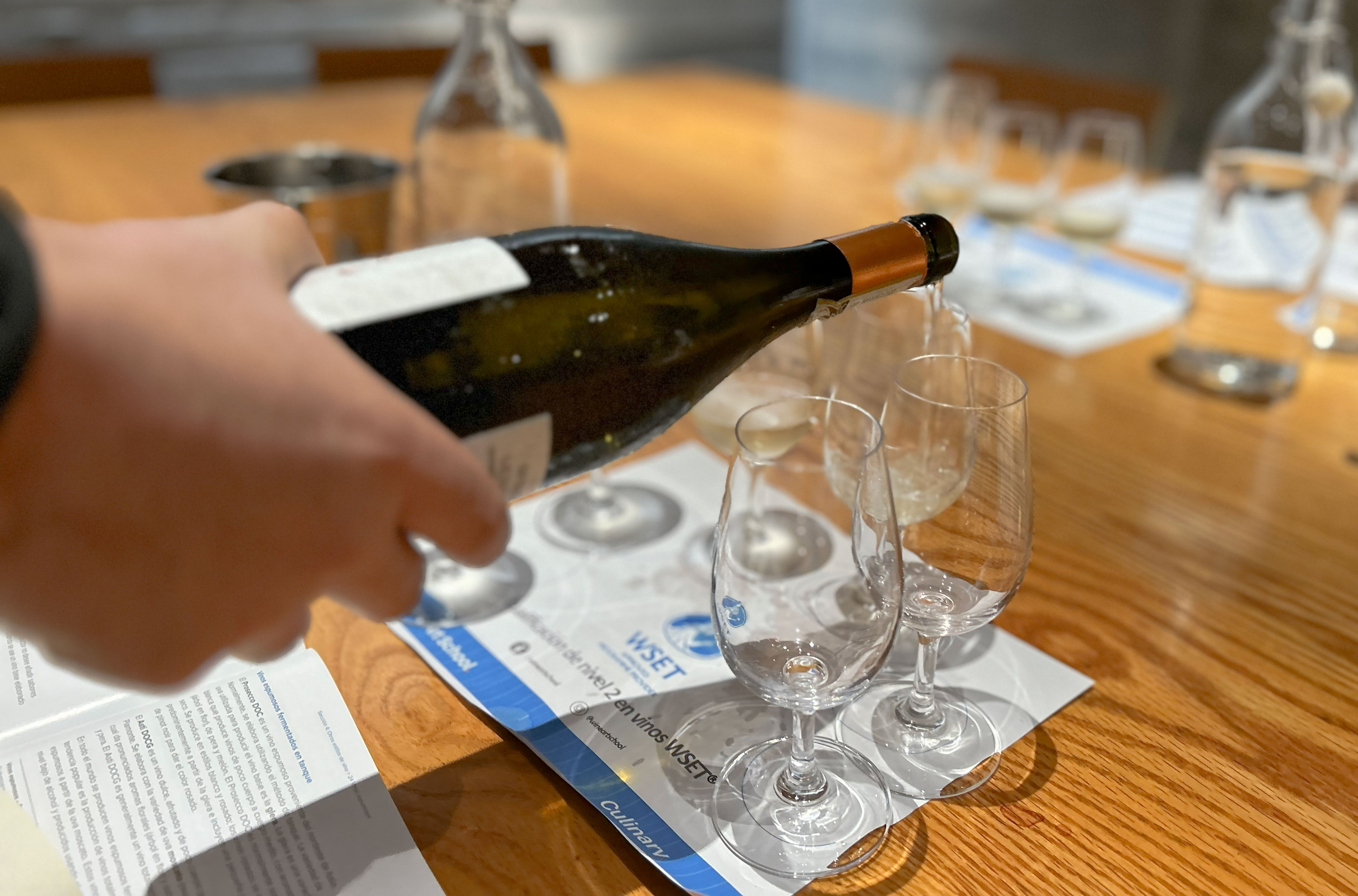
It was also fate... I arrived at Culinary to coordinate the Sommelier Diploma and I didn't know they would also prepare me to be an educator. A few months after starting, I took the WSET Level 2, then Level 3, and later completed the WSET Educator certification. From there, I started teaching courses, and a whole new world opened up for me.
Was it difficult to start teaching?
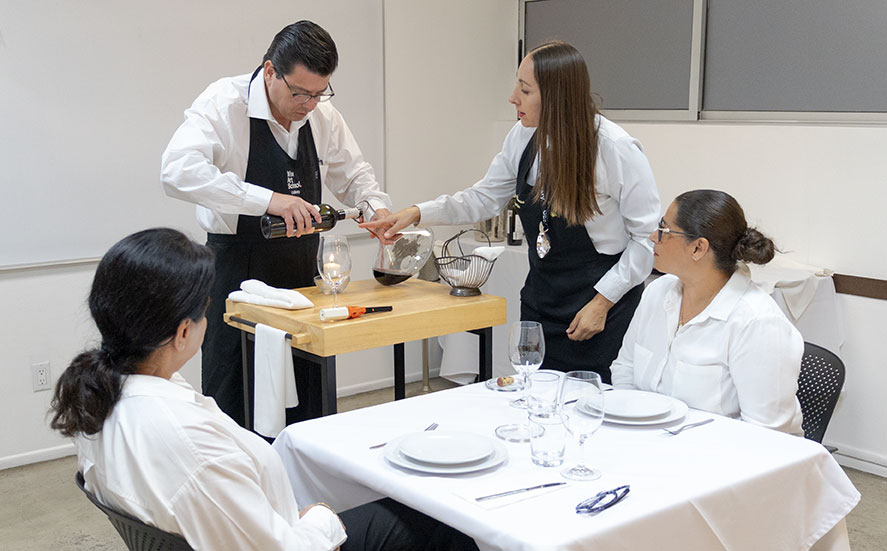
Oh, incredibly. The first course was very challenging; I was very nervous and felt like nothing was going right. I remember I even doubted myself, but fortunately, I didn't give up and kept preparing, so with a lot of practice and study, I started to gain confidence. Today, I can tell you that I still study for every session, and I enjoy it very much.
Diana, you teach undergraduate courses, diploma programs, and certifications. How do you teach such different audiences?
The reality is that each group requires a different approach. For example, in the Culinary Arts degree, many are very young and don't drink wine. With them, I discovered that you have to teach gradually and clearly, without excessive technical jargon, and always relate wine to cooking, which is what brought them to this class.
On the other hand, the Sommelier Diploma is challenging because my students are adults with busy schedules that make it hard for them to stay focused. With them, I try to make the classes dynamic and always relate them to tasting and pairing to keep their enthusiasm up.
And WSET is where I can be more precise, since it's an audience with a deep interest; here I have the opportunity to dive deep, use technical terminology, and promote more analytical learning.
What has been your biggest challenge as a teacher?
Definitely engaging the students, maintaining their interest, and adapting the level of the class to their context. Teaching young people whose passion is in the kitchen or adults who come in tired from work is difficult, so patience has been a great lesson.
And what gives you the most satisfaction?
I think it's when students understand complex topics; seeing them pass their exams not just because they memorized, but because they have understood everything that goes into a wine, is a joy. And well, clearly, when they write to thank me, I feel proud; knowing that I was able to contribute something to their professional path is very rewarding.
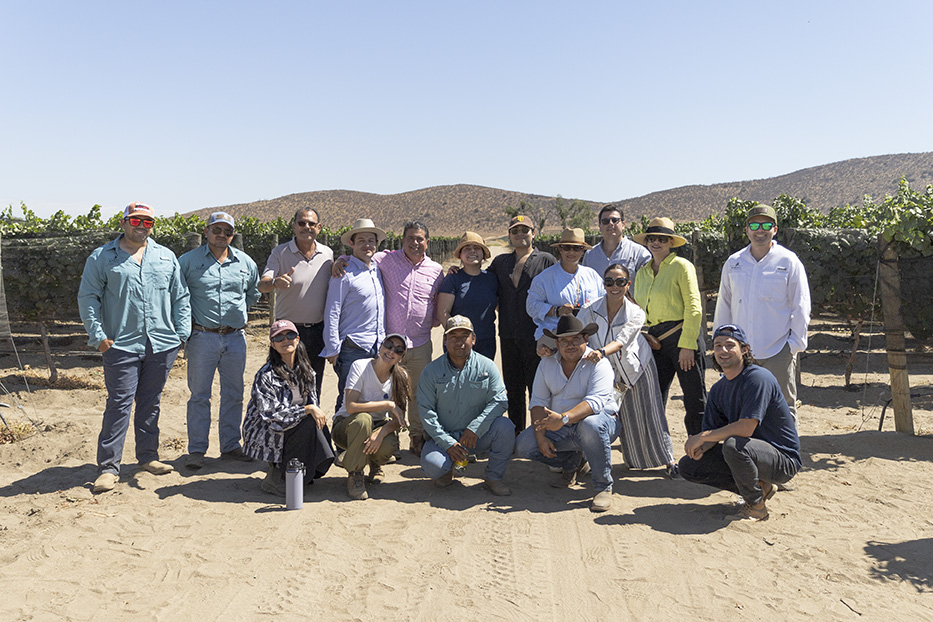
Do you think it's possible to grow professionally in this industry?
Absolutely. The wine industry is very rewarding; there are opportunities to grow in many areas: production, sales, hospitality, wine tourism, education, consulting, communication… It is a very broad field with many possibilities.
What characteristics do you think someone needs if they want to dedicate themselves to this?
It depends on the area, but in general, a desire to learn and constant preparation, humility to recognize what is left to learn, an open mind, and an interest in getting to know other regions that broaden your vision.
And do you see qualities in your students that can help them?
Of course, their greatest asset is their enthusiasm for learning; once you have that, you're halfway there. So, it’s just a matter of continuing to study, staying humble, protecting the respect due to the profession, and understanding that while it may be just a hobby for some, for those of us who work in this field, it is a lifelong career that requires a great deal of preparation.
Do you think having wine knowledge can open doors for them?
Yes, absolutely. Those who prepare themselves have more tools and a competitive edge. The wine industry is vast and growing. There are opportunities in every branch of the field, and for those studying Culinary Arts, wine knowledge can help boost their resumes, projects, and ventures. And for those already in the industry, what can I say? Being able to express yourself with confidence, analyze a wine, and understand its production processes is a game-changer—it gives you a huge boost.
And personally, what would you like to achieve in the coming years?
My goal is to continue getting certified, keep pursuing education, and conduct research. I want to have the tools to better support the Mexican wine industry. My dream is to be an ally and advocate, helping Mexican wines shine on the international stage.
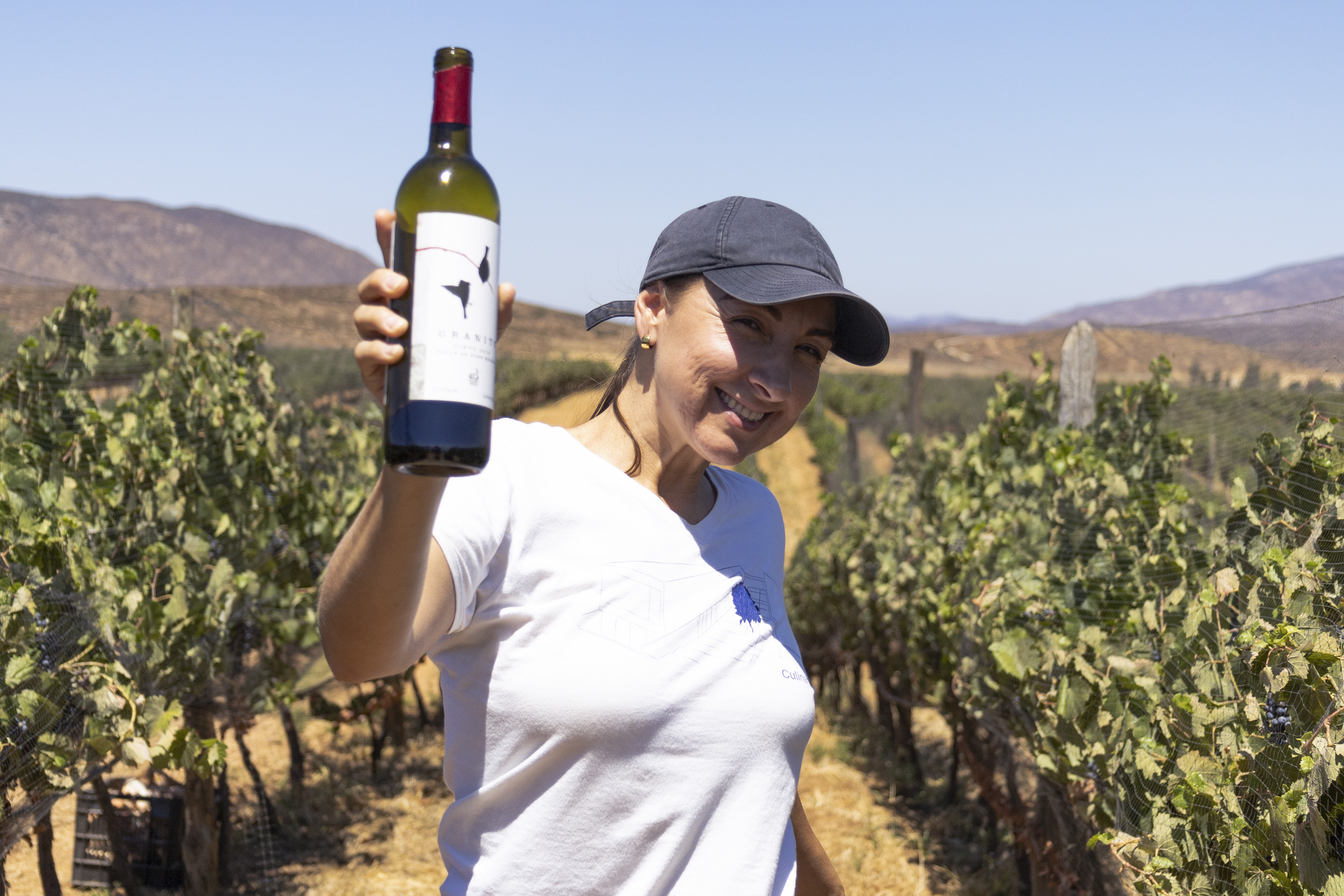
Finally, Diana, if you could go back in time, would you choose this career again?
Yes, without a doubt. Wine has taken me to incredible places and allowed me to travel and learn about geography, culture, and science. It has broadened my perspective on the world, and I am very grateful for that.
.
Diana Villanueva’s story confirms that wine is not just something to be drunk, but something to be studied, communicated, and shared. Her journey reflects an industry that is growing, professionalizing, and strengthening thanks to people committed to learning, teaching, and believing in the potential of wine, especially Mexican wine.