Farmer or hunter? — The two sides of customer service. Pt. 1
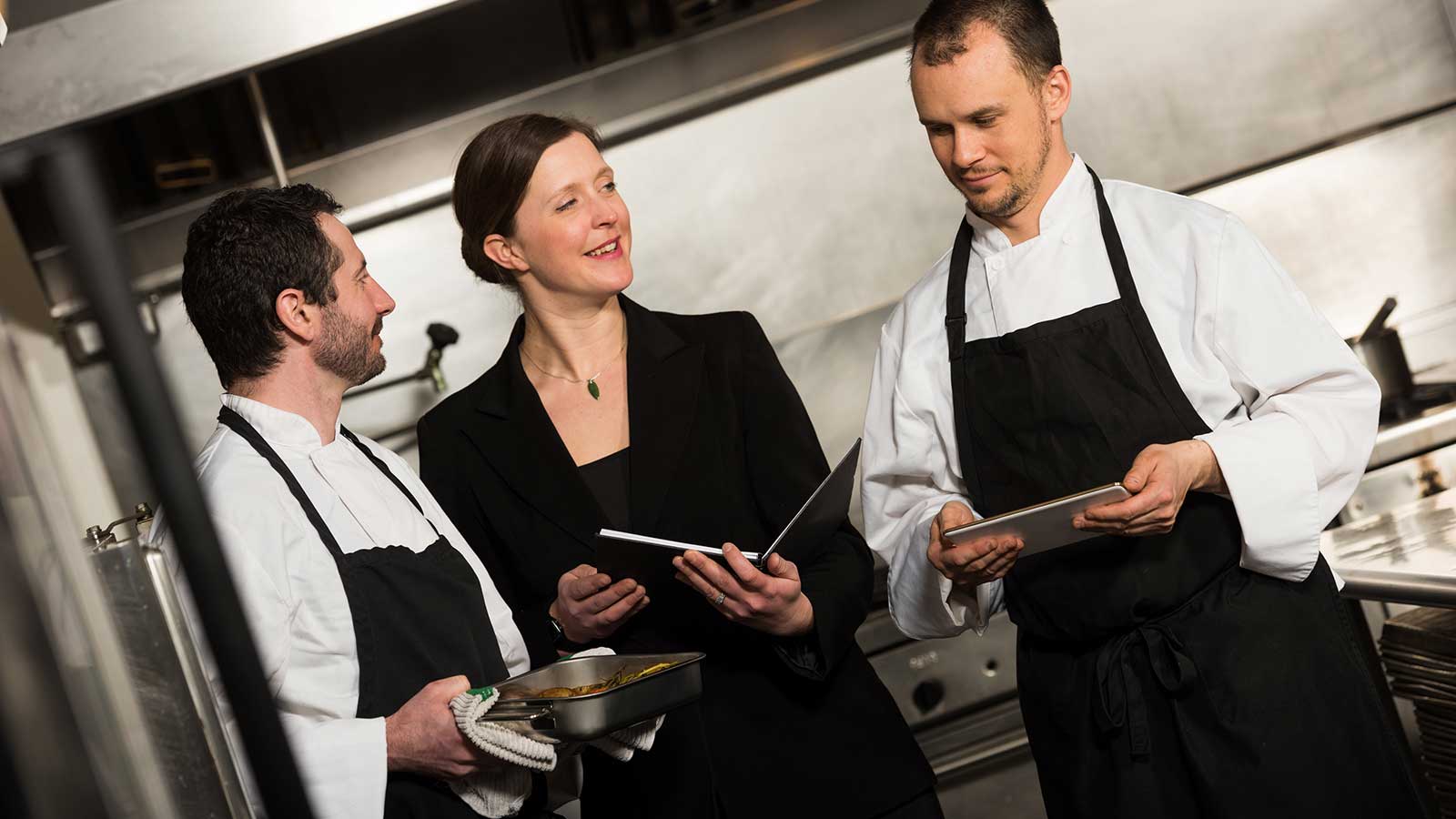
– By Carlos CastañedaHospitality, Food and Beverage Consultant, and Coordinator of the Bachelor’s Degree in Hospitality and Strategic Innovation at Culinary Art School
The challenge of playing the short game versus the long game

Photo: Tolga hakki / flickr
Talking about customer service is often such an ambiguous topic that, to this day, we haven't managed to agree on the criteria that define it as good. How do you determine it?
When we rate service at a restaurant, some lean toward the cleanliness of the place, others toward the speed of service, some toward the customer care, or for experienced diners, following service protocols might be the guide.
While as a service provider you cannot guess the specific need of every diner, WE CAN define the service philosophy we provide. This can be approached in many ways, but for practical purposes, we will address them as: the hunter and the farmer.

Hunter
In restaurant operational terms, a hunter mindset can be applied to suggestive selling, where we encourage customers to increase their order. It is vital to have the ability to "clear the fridge," since the shelf life of ingredients is like an hourglass that inevitably runs out, and it is undoubtedly an important strategy to consider when facing the possibility of closing the cash register in the red.
Among the hunter's strengths, we find their initiative to seek solutions or alternatives to immediate problems. Their key skill is the independence to meet goals and push the team to be effective.

Farmer
A farmer is someone with a long-term mindset. In both the restaurant industry and business, having a leader who is responsible for anticipating and resolving future problems is crucial to maintaining focus on the continuity of the establishment.
Their main strengths are patience and collaboration, recognizing the importance of prioritizing customer loyalty over temporary spikes in sales.
Now, which strategy is better?

Thinking that there is only one way to approach a customer would limit the growth of any establishment. It is CRUCIAL to think about both optimizing sales for the present, and cultivating loyalty for the flow of the future.
In other words, you need hunters who know how to sow, just as you need farmers who know how to hunt.
For a restaurant, the personification of the hunter can be seen in the server. Their customer service qualities, ability to detect a diner's needs in the moment, and skill in streamlining service highlight the importance of having these hunters in the dining room.
We can find the farmer in the constant (though never eternal) attitude of the Host/Hostess, the Captain, or the Maître d'. Beyond the operational responsibilities of the present, these leaders are the ones who have the opportunity to create a memorable experience for the diner, sowing the seeds for futurecustomers.
And the Restaurateur?
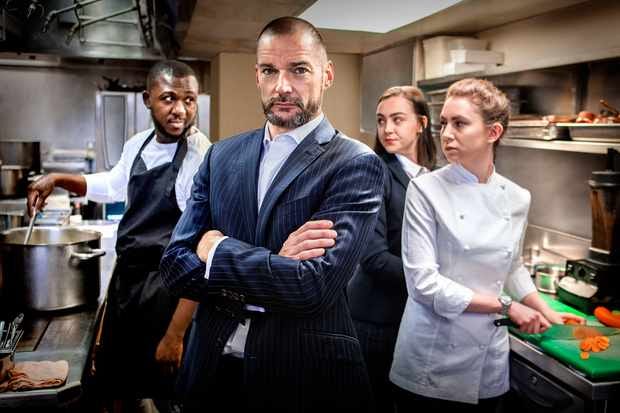
Without a doubt, the person at the helm must not only be an excellent hunter to optimize current challenges, but must also sow intelligently for the unpredictable winters of the future.
That is why we will define the restaurateur with a third archetype: The Warrior.
What do you think its characteristics are? What should it sow? And what will its prey be?
Let's continue the conversation . . .
Want to learn more about this topic? Discover our Bachelor's Degree in Hospitality and Strategic Innovation.