Juan Carlos Beltrán: Cooking gave me a life I never imagined
.jpeg)
When Juan Carlos Beltrán talks about his restaurant, Xixario Erretegia, he does so with the same enthusiasm he has when recalling his early days at Culinary. For him, cooking was never a planned path. He arrived there almost by accident, driven by intuition and a passion he discovered while cooking for family and friends. What began as an unexpected decision ended up taking him to the other side of the world.
Today, after nearly twenty years in Spain, he runs one of the most traditional grill restaurants in Orio, in the Basque Country. His story is not one of overnight success, but rather that of someone who learned from the ground up, seized every opportunity, and turned perseverance into his primary tool for success.
Juan Carlos, your professional journey began far away from the kitchen…
JC: That’s right. I was studying law and planned to do something else; I was very interested in working for a police or investigative agency, but cooking was always a part of my home life.
My father was Spanish, and my mother, although from Sinaloa, prepared a lot of Spanish food. I would help her make paellas, potato omelets, and the grilled meats for family gatherings, and little by little, I started to enjoy cooking for other people.
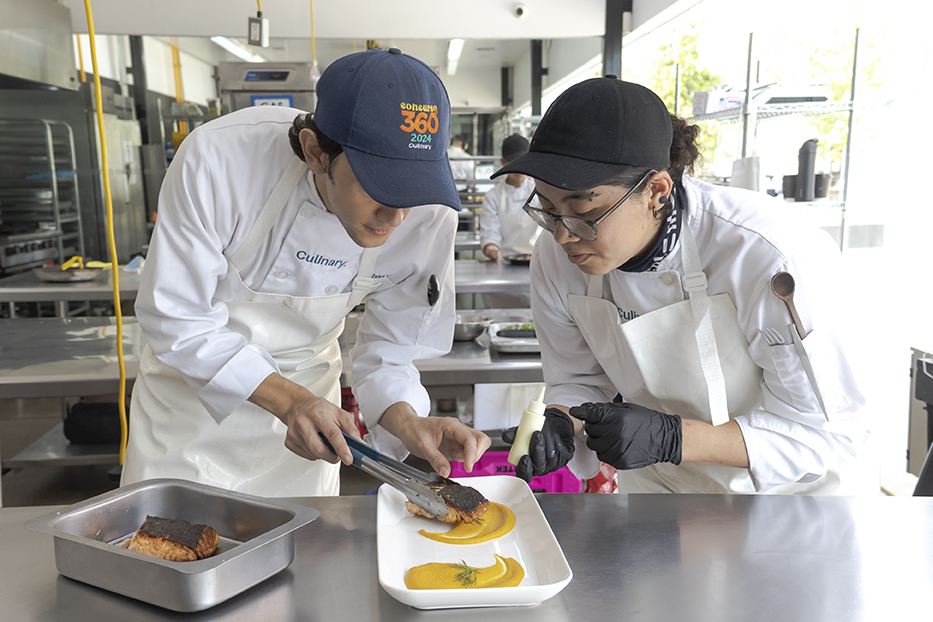
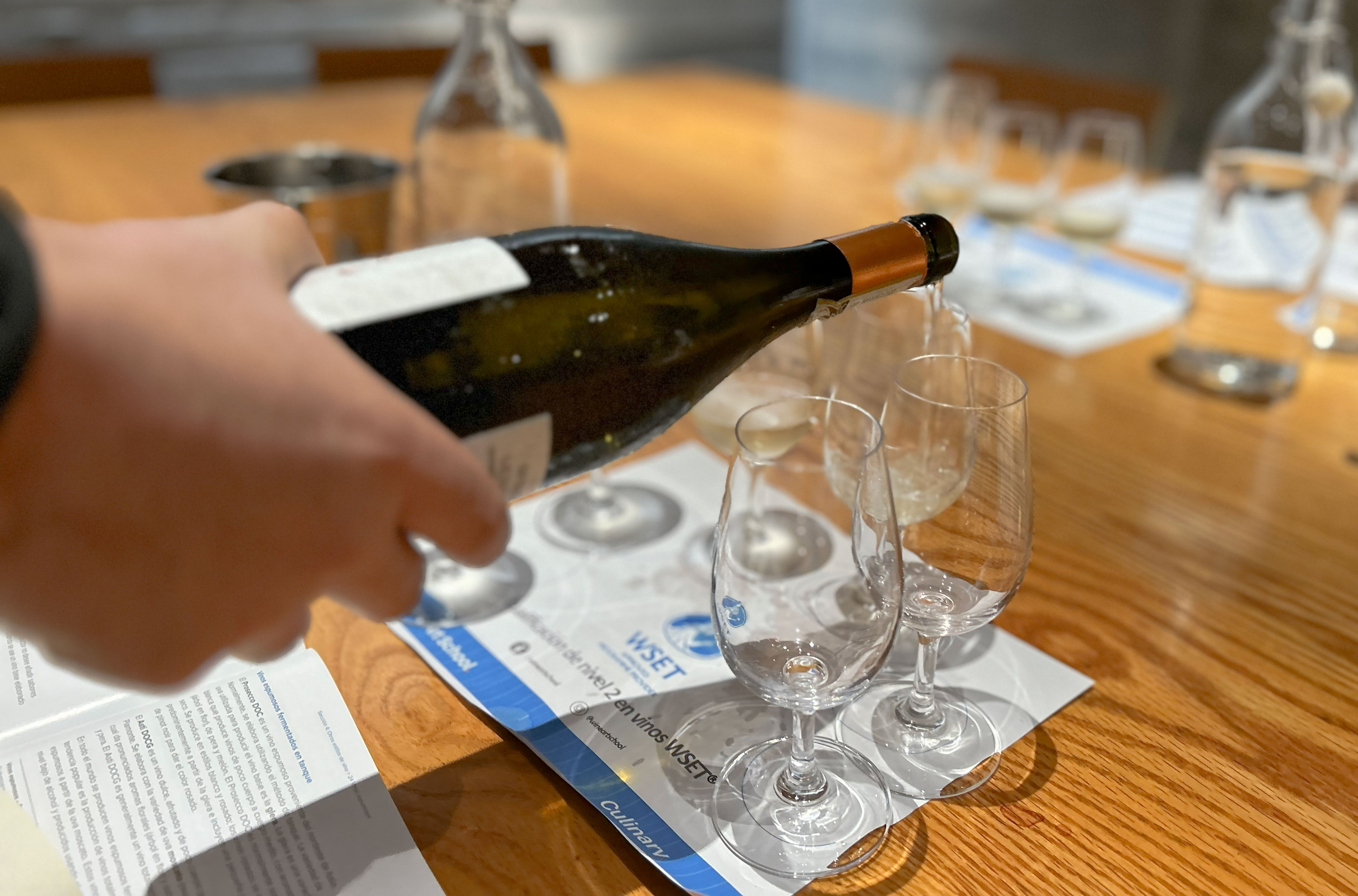
The turning point came when I took a Mediterranean cooking course at Culinary. I went in to see if I really liked it and came out convinced that I had found my calling. So, I dropped out of law school and enrolled in the Bachelor's Degree in Culinary Arts.
I have never regretted that decision.
He completed his first internship in Mexico City with chef Pablo San Román, an experience that ultimately shaped his understanding of the profession.
What did you learn in that first professional kitchen?
JC: That you master cooking by working. You start with the basics and have to earn your place every single day; nothing is handed to you.
I also understood something that I keep repeating to young people: being a chef has nothing to do with the image often portrayed on television or social media; this profession demands discipline. There are twelve or fourteen-hour workdays, busy weekends, and moments when the exhaustion weighs more than anything else, and if you don't love this craft, it's very difficult to stay in it.
When it came time to do his international internship, Juan Carlos planned to return to Mexico City. However, a conversation between his father and a Spanish restaurateur changed the course of his career.
How did you end up in Spain?
JC: Honestly, it was because of my father. He knew Luis Mari, the owner of Xixario, and while they were talking, the opportunity came up for me to do my internship with him.
I planned to stay for three months and then head back to Mexico, but when I finished, he offered me a job. Haha, my family was convinced I wouldn't do it, but I stood my ground. I asked them for a year to give it a shot, and... that one year has now turned into almost two decades.
.jpeg)
The first few months were far from the European dream many imagine. Juan Carlos arrived alone, without friends or family, in a city completely different from Tijuana.
What was that first year like?
JC: The first year was very tough. I missed my home, my friends, and my family. There were times when I thought maybe I should just go back. But little by little, I started building a new life, and I found an important balance in cooking and sports. I think that helped me stay disciplined and keep on track.
Over time, Orio stopped being just the place where I worked and became my home.
For fifteen years, he worked alongside the same owner. He started as a grill assistant and gradually took on more responsibilities until he became the most trusted person in the restaurant.
How did you manage to grow within the business?
JC: I never stopped learning. At first, I was cooking, then I started placing orders, managing suppliers, overseeing the product, and serving customers. Each new responsibility meant proving that I could handle it. Over time, I realized that trust isn't something you ask for; it's something you earn every single day. And I believe that has been one of the most important lessons of my career.
"Opportunities often appear by chance. Staying in them depends entirely on the work you are willing to put in." — Juan Carlos Beltrán
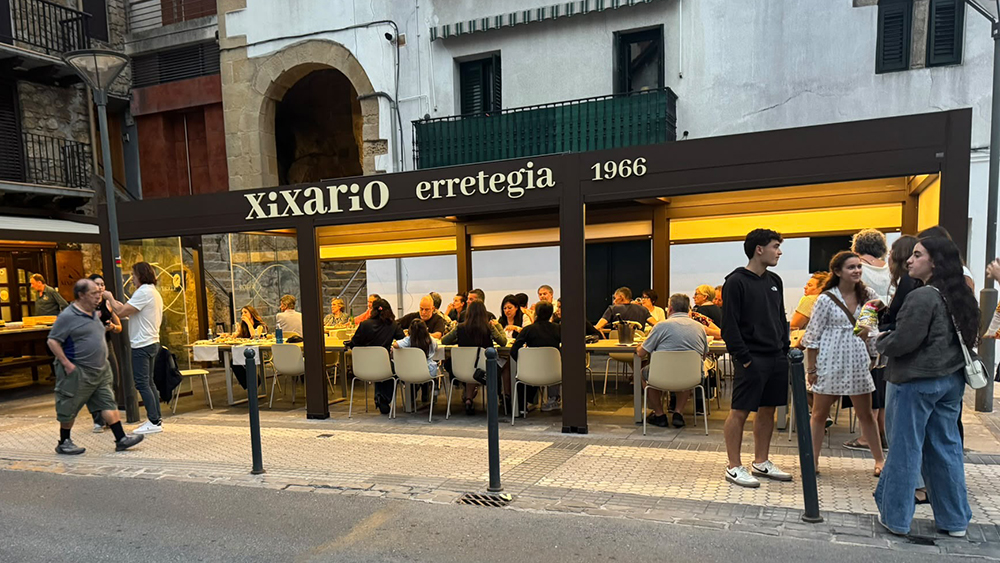
After fifteen years working alongside Luis Mari, Juan Carlos was no longer just in charge of the grill. He knew every detail of the business, and that experience ultimately prepared him to take on the biggest challenge of his career: becoming the owner of Xixario.
What changed when you went from being a cook to an owner?
JC: It changed absolutely everything. Many people think a restaurant owner just cooks, but the reality is very different; cooking ends up being a small part of the job. You have to manage purchasing, control costs, talk to suppliers, check reservations, handle unexpected issues, look after the staff, and make sure everything is running before the first customer arrives.
Running a restaurant means staying on top of hundreds of small details that, if they fail, affect the entire experience.
What have you learned about managing a restaurant?
JC: That our job is to solve problems before they reach the table. If an ingredient is missing, a supplier lets us down, or any unforeseen issue arises, the customer shouldn't have to know. The best operation is one that goes unnoticed.
Furthermore, I’ve discovered that a successful restaurant doesn't depend solely on good food; it depends on organization, anticipation, and consistency.
For Juan Carlos, running a restaurant has never meant stepping away from the work itself. On the contrary, he believes that authority is built by participating in daily operations.
Are you still involved in the day-to-day work?
JC: Every single day. If help is needed in the kitchen, I’m there; if merchandise needs to be unloaded, I’m there too. I’ve never liked the idea of the owner who only shows up to supervise. I believe a leader has to demonstrate the level of commitment they expect from their team through their actions. You can't demand something you aren't willing to do yourself.
What has been the biggest challenge you’ve faced as an entrepreneur?
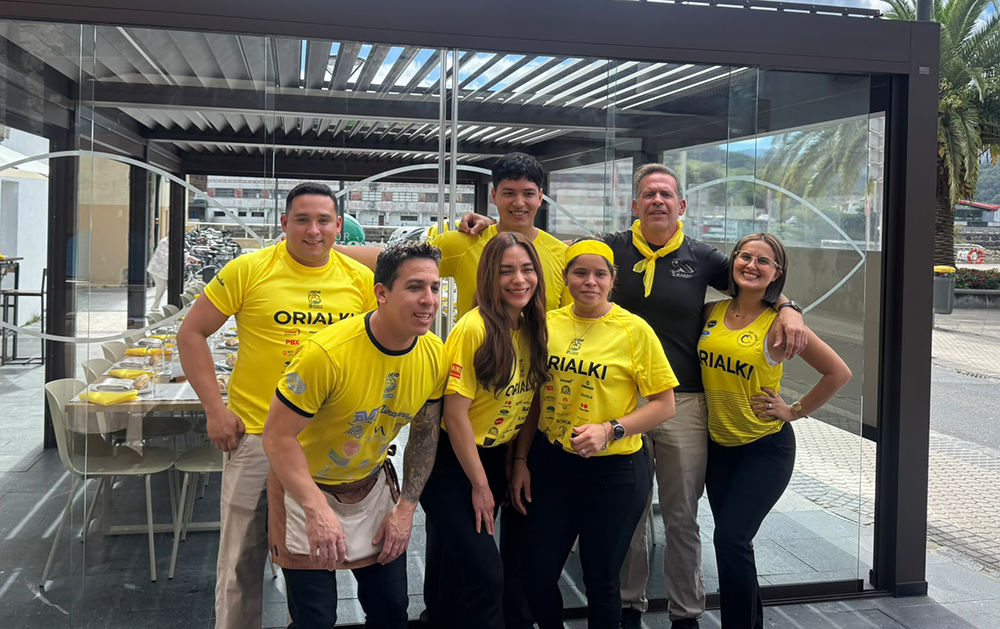
JC: Building and keeping a great team. Today, the biggest problem for many restaurants isn't getting customers, but finding committed people. That’s why it’s important to me that those who work with me feel valued. We spend so many hours together that respect and trust are essential.
A restaurant is never the work of just one person.
What does it mean to be a good leader?
JC: Understanding that growth should benefit everyone. I’ve always believed that if the restaurant is doing well, the team should feel it too.
You have to offer fair conditions, recognize hard work, and create an environment where people want to stay. When employees work in a calm and motivated way, it ends up reflecting in the service, and in the end, the customer is the one who appreciates it most.
After nearly twenty years living in Spain, Juan Carlos has seen how restaurant operations have changed. New technologies, reservation systems, and artificial intelligence have arrived. However, there is something he considers irreplaceable.
What should gastronomy never lose?
JC: The human touch.
Technology makes many things easier, but a restaurant is still a place where people want to feel welcomed. I like getting to know my customers, remembering who they are, and making them feel at home. That kind of relationship cannot be automated; hospitality will always be a profession of people for people.
Despite having received offers to participate in other projects, Juan Carlos has never felt the need to multiply his restaurants. His idea of success is different.
What does success mean to you?
JC: Many believe that growth means opening more branches, but I prefer to dedicate all my energy to doing one thing very well. I am interested in maintaining quality, getting to know my customers, and continuing to enjoy the work.
For me, true success isn't about having more restaurants, but about building one that people always want to return to.
"The food might attract a customer once. Service and hospitality are what make them come back." — Juan Carlos Beltrán
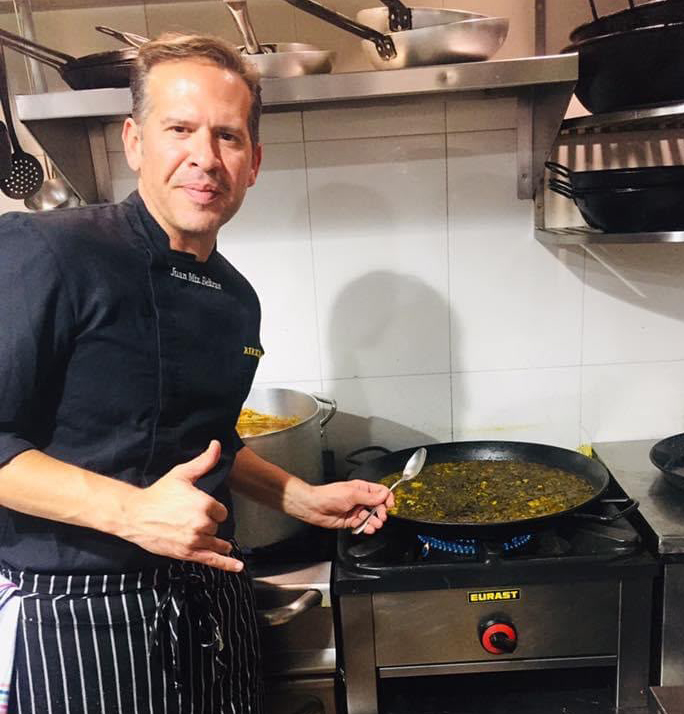
Before we wrap up, do you have any advice for those who dream of pursuing a career in gastronomy?
Of course. The first thing I would ask them is if they truly love this profession. Cooking well isn't enough; this is a career that requires discipline, sacrifice, and long hours. If you aren't prepared for that, this probably isn't the path for you, but if you are truly passionate about it, then it is completely worth it. Studying for a Bachelor's Degree in Culinary Arts gives you a great foundation, but you shouldn't forget that the real learning begins when you step into a professional kitchen. That’s where you realize that opportunities don't come by chance: they are built through hard work, humility, and consistency.
And finally, if you were eighteen again, would you choose this path all over again?
JC: Without a doubt. There was a time in my life when I imagined a completely different future, but today I know that cooking led me to where I was always meant to be.
It hasn't been an easy road, but it has given me the opportunity to build a life I am deeply proud of. Thanks to this profession, I found a home in another country, started a family, met extraordinary people, and have been able to spend every day doing what I love most.
If I had to start over, I would walk the exact same path.
.
Juan Carlos Beltrán’s story is not just that of a chef who moved to Spain and ended up running a restaurant in one of the world's gastronomic capitals. It is the story of someone who understood that success is measured by the trust you inspire in your customers, the respect you earn from your team, and the passion you bring to your craft every single day.
Nearly twenty years after a trip he thought would only last three months, Juan Carlos continues to uphold the same values he started with: working with humility, caring for people, and never stopping the learning process. Perhaps that is why, when he talks about cooking, he doesn't speak of it as a profession, but as the decision that ended up giving him the best life.