How long is a gastronomy degree in Mexico?

In Mexico, a culinary arts degree typically lasts between 3 and 4 years, depending on the academic model and the level of hands-on training offered by each institution. Semester-based programs usually span four years, while quarterly or intensive models allow students to finish in three years without reducing the overall curriculum.
About the curriculum
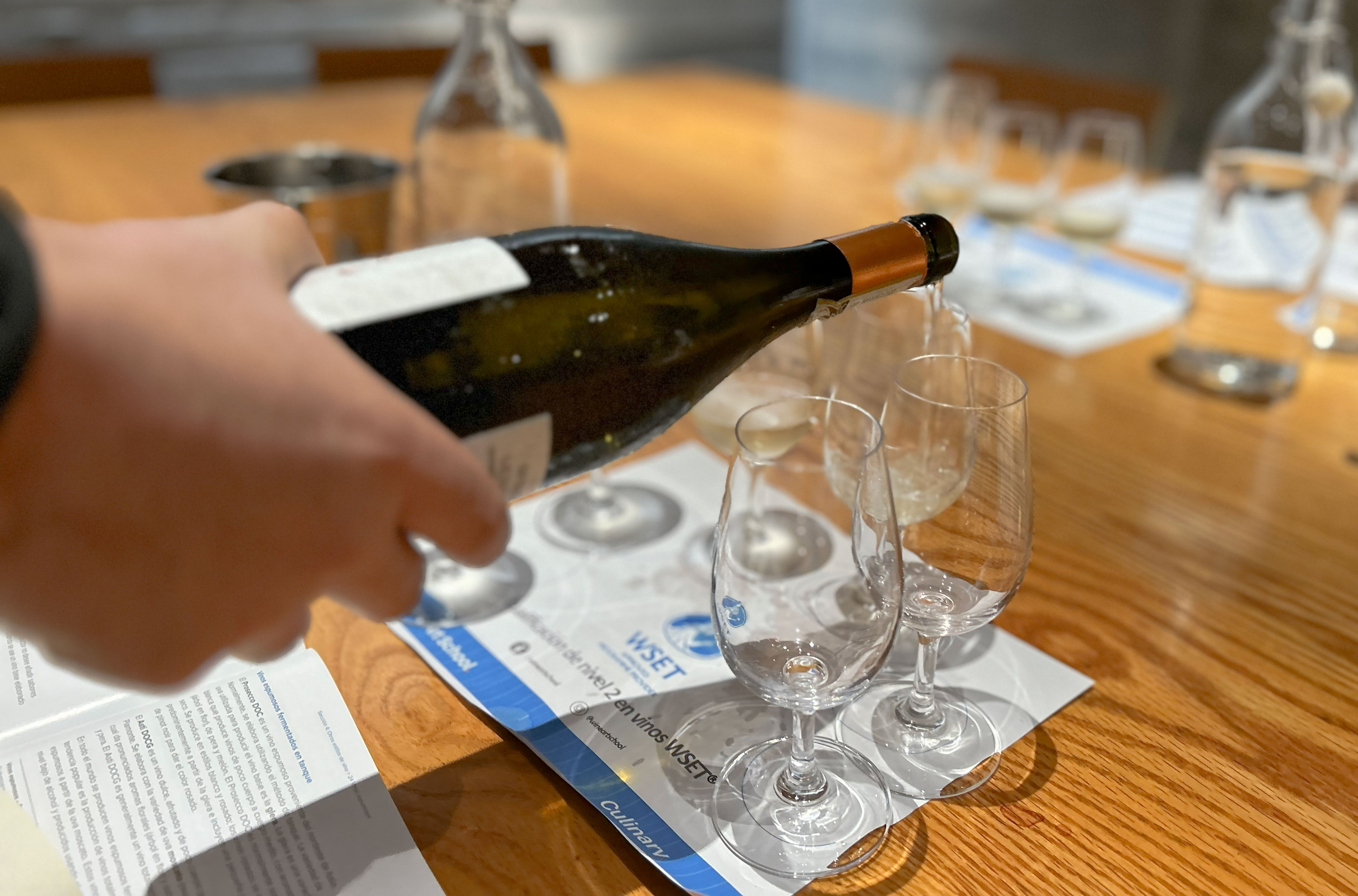
Culinary arts curricula can vary significantly between schools. Some focus more on cooking techniques and workshop experience, while others include areas such as management, nutrition, pastry arts, oenology, or entrepreneurship. It is important to check how theory and practice are balanced and how much hands-on cooking is involved from the start, so you can determine if the program aligns with what you are looking to learn.
Culinary: Bachelor's Degree in Culinary Arts (3 years)
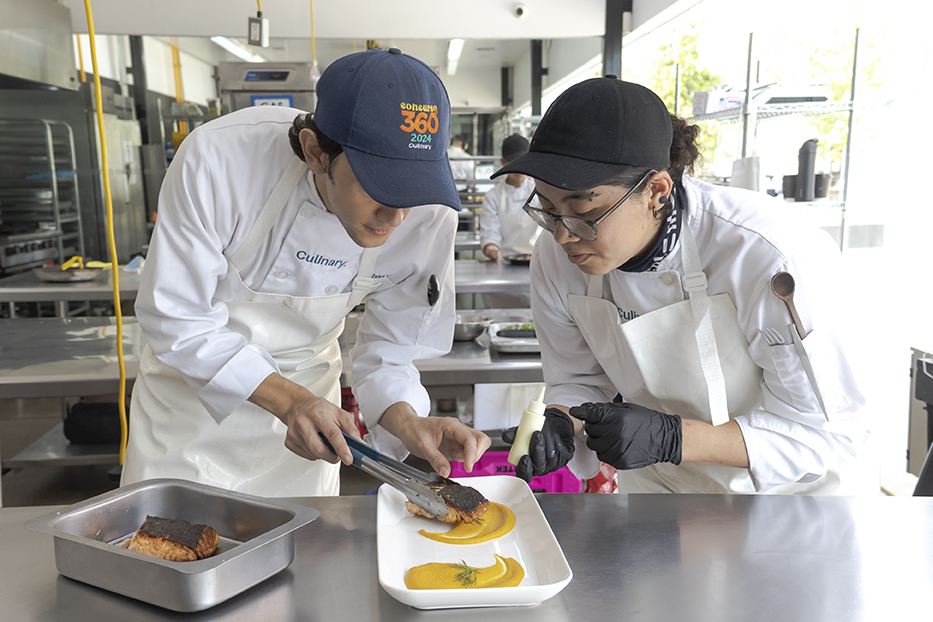
At Culinary, the Bachelor's Degree in Culinary Arts takes 3 years to complete thanks to its quarterly program and an immersive model that balances 50% pastry arts and 50% savory cuisine.
In addition, this timeframe includes three professional internship periods at restaurants in Mexico and abroad, allowing students to gain real-world experience while progressing through a concentrated and intensive academic plan.
How to choose based on duration
✓ Check if the program is semester or quarter-based, as this determines whether it lasts 3 or 4 years.
✓ Review the balance between theory and practice within the curriculum.
✓ Prioritize programs with professional internships and partnerships that allow you to develop in real-world environments.
✓ Choose based on your goal: a fast-paced, technical immersion or a more extended, theoretical process.
Keep in mind
The length of the degree program is important, but the educational approachis even more so. A 3-year program can be just as comprehensive, if not more so, if it integrates real-world internships, an immersive model, and a well-designed curriculum, like the one at Culinary. When choosing a school, look for a balance between time, hands-on practice, and academic content to ensure a solid and competitive education.
.