Chef Ofelia Núñez: Teaching and mentoring
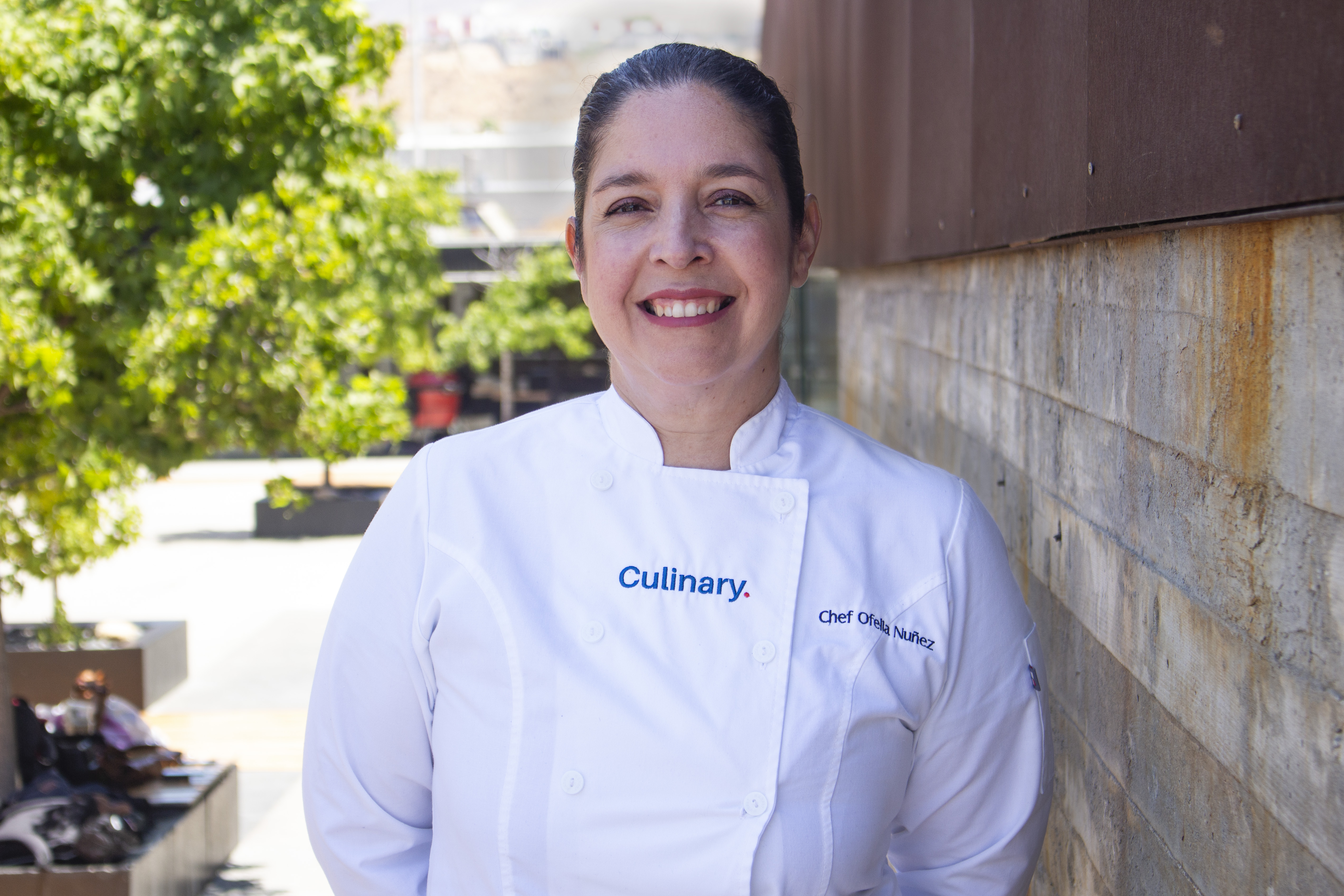
Discipline, empathy, and trust: a human-centered approach to education that inspires and leaves a lasting impact.
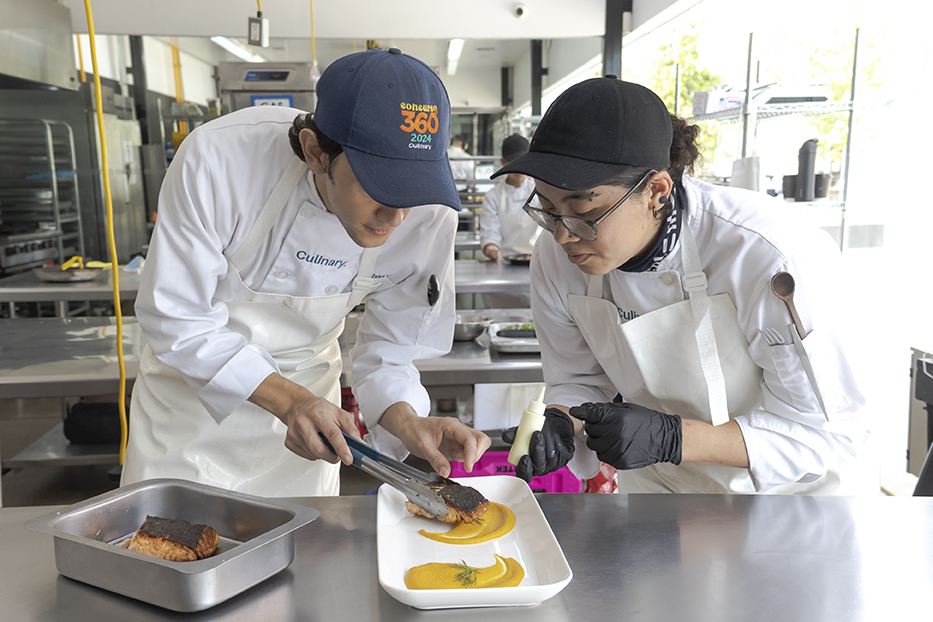
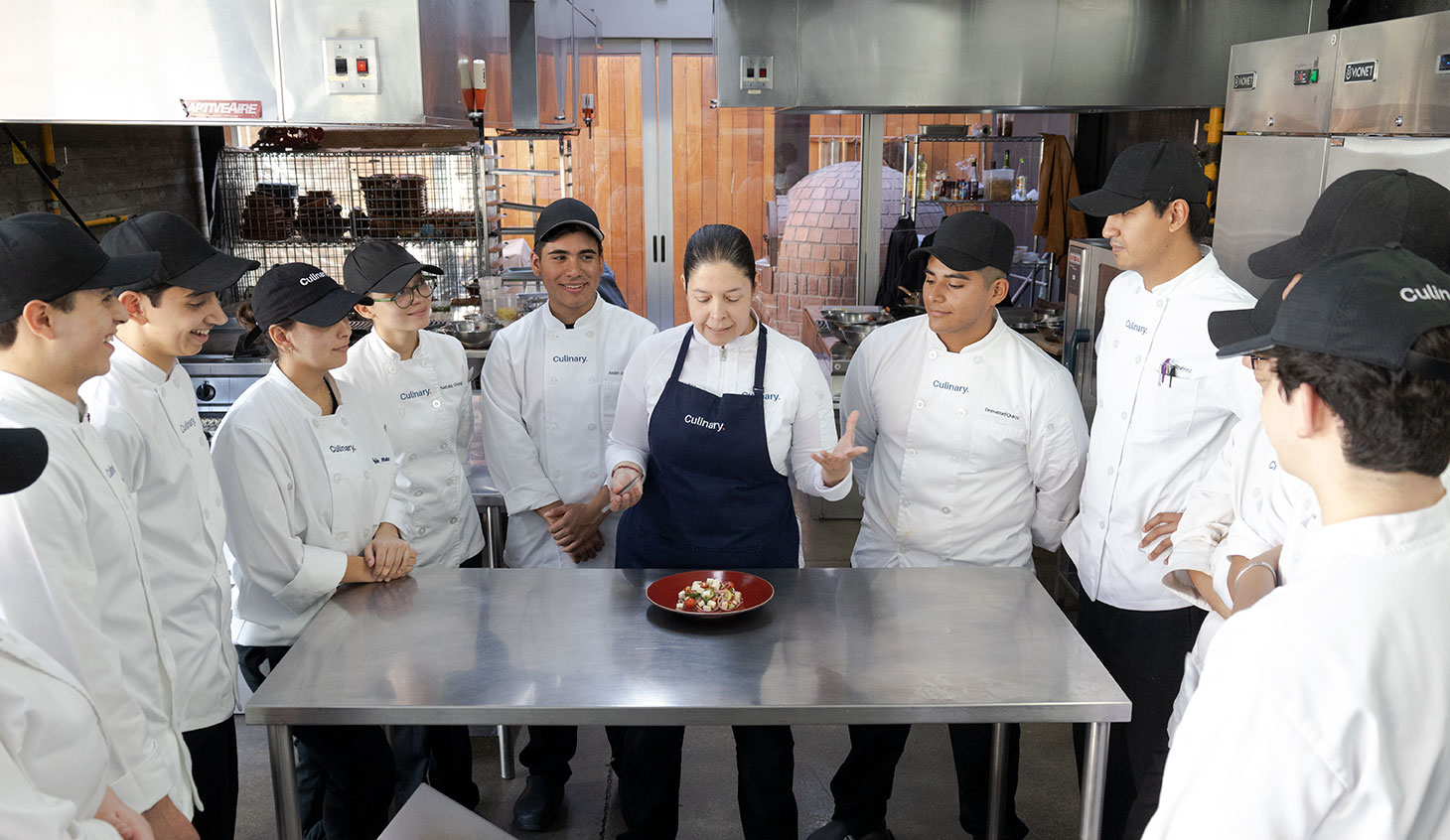
For 14 years, Chef Ofelia has been training students at Culinary, shaping generations of cooks with a unique blend of discipline, sensitivity, and a human-centered vision.
With a unique background that began with a degree in Business Administration, she soon took the leap to pursue a Professional Diploma in Haute Cuisine. This combination, along with her master’s degrees in Business Management and Mexican Cuisine, has led her to hold key positions as an executive chef and consultant.
She currently balances her teaching at Culinary with operational management at Grupo Malvet and her own gastronomic consulting firm, where she develops menus, standardizes recipes, and creates new culinary concepts for various local businesses.
When you speak with her, her analytical mind and firm vision stand out, which contrast beautifully with her kind and protective nature toward her students. Ofelia is convinced that teaching means guiding, and she strives to create an environment that gives young people the confidence to enter the industry.
Great, Ofelia. Tell me, when did you start in the kitchen and why did you choose it?
I studied in Mexico City at the Centro Culinario de México in 2004, and I started at Culinary in 2007. Since then, it has been an adventure that has allowed me to practice teaching and be part of the industry through operational consulting for restaurants.
How did you first get into professional cooking?
Cooking is my second career. I previously studied Business Administration and saw cooking as a hobby, something I was passionate about, but something I would dedicate myself to once I retired. When I made the change, it was a drastic turn… but the best one I could have taken.
Was it what you expected?
Absolutely, because dedicating yourself to what you are truly passionate about exceeds any expectation. It has been a journey of great learning and more beautiful than I imagined, even with the challenges it entails.
How do you think your career has evolved over time? Is there anything you are especially proud of?
It has progressed a lot. I am happy that it has been a career in which I have constantly learned, not only from successes but also from mistakes. This has allowed me to identify the areas that need work and where, as an instructor, I can contribute.
Has it been difficult?
Yes and no. When you do what you love, everything falls into place over time. But being realistic, it is a demanding profession, both physically and mentally. Standing for so many hours in front of a group, addressing every question, and continuing in the afternoons with tutoring requires resilience and passion to start each day with renewed energy.
How did you get started in teaching?
It was completely by chance. Culinary invited me to teach thanks to my first degree, and I started with theoretical subjects related to food administration and production. That’s where I discovered I had a calling for teaching, and I loved it. Over time, I pursued further training and began teaching practical classes.

What is your approach to teaching?
I seek to teach cooking the way I would have liked to be taught: with discipline and precision, but also with patience and positive language. My generation learned in a harsher way, without filters, and although that shaped us, there were many who didn't continue. I believe that today you can achieve the same level of commitment from a more human environment.
You experienced a more difficult way of teaching, yet you continued…
Yes… there were those of us who made it and those who didn't, perhaps because they couldn't or didn't want that environment, where you had to wipe away your tears and keep going. It was a very complicated challenge; many times we left class feeling defeated. Today, one of my goals is for a student not to leave feeling defeated. Why should it be that way? It’s not just their class, you know? It goes beyond that.
It’s their dreams, what they want for themselves...
Exactly, and while the dynamic constantly puts them in decisive moments where they must choose to continue or stop, the reality is that we, as their guides, need to pull them out of those moments that won't necessarily define the rest of their career, with a firm, yet kind and empowering approach.
Would you say your goal is to give them confidence?
Yes, to make them feel secure in learning and growing. Teaching cooking through technique and theory, but also promoting values like ethics, responsibility, resilience, and punctuality. Showing them a landscape where, despite the challenges, they can feel capable of moving forward.
What experience has left the biggest mark on you during your time as an instructor?
For me, seeing students graduate is the most meaningful part. Seeing them adapt to the industry and recognizing that I was part of that formative process. It’s a source of pride to watch them grow, push past their limits, and reach goals they once thought were impossible.
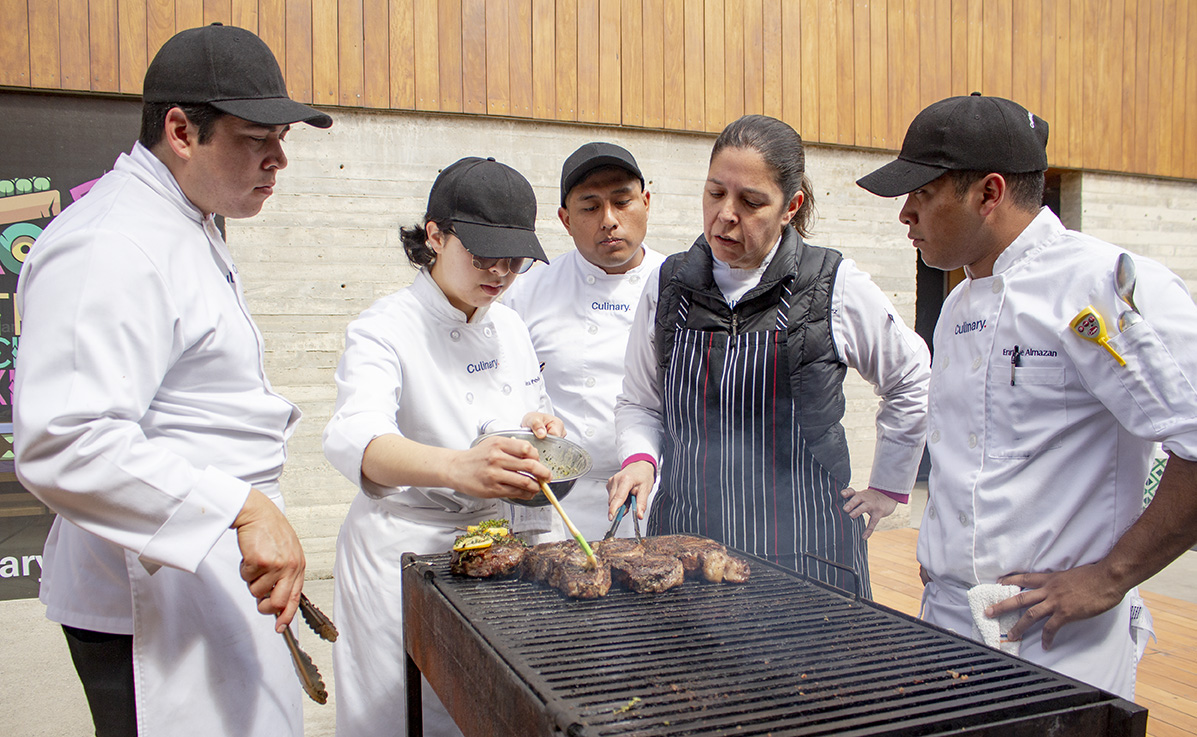
What qualities do you consider fundamental for someone who wants to pursue a career in the kitchen?
Well, first, understanding that you’re going to sacrifice a lot of things and deciding if you’re willing to do that. This profession requires a desire to serve and the ability to find satisfaction in small achievements. It also takes a lot of drive, flexibility, teamwork, and self-care. And something essential: learning the administrative side. Understanding how a restaurant works, the costs, the suppliers, the numbers… that makes all the difference.
It’s important that if they aren’t experts in administration, they at least have enough knowledge to understand that language…
Absolutely, and you know what else? This can open new doors for you. You don’t have to know it from the start, but as you advance in your career, it’s very valuable to dedicate time to it, to study your costs, your suppliers, to analyze how you can improve what you have, how you can make your business more profitable. Or, on the other hand, to know enough to be able to communicate with partners or other entrepreneurs who want to collaborate.
How do you perceive the professional landscape for your students?
The landscape is full of challenges, but also opportunities. I advise them not to wait until they graduate to start working; early experience makes you stronger. Also, I think at some point it will be useful for them to pursue a postgraduate degree or specialization in management and leadership, because as you move up, you cook less and manage more, and having those tools makes all the difference.
What do you think is the most important piece of advice you can give your students?
Definitely to be persistent. Don’t give up when something doesn’t go right. Learn from your mistakes, correct them, and keep moving forward.
And one last question: if we could turn back time, would you choose this profession again?
Definitely yes, I love my profession. I can even tell you that if I won the lottery, I would still be teaching at Culinary, I have no doubt. It’s work that nourishes me, fulfills me, and pushes me to keep moving forward. It’s where I feel motivated, always looking for ways to improve my classes, and where I find a purpose: helping to shape young people with big dreams.
.
Chef Ofelia’s story is a blend of discipline, passion, and purpose. Her human-centered approach to teaching has left a mark on generations of cooks who are now transforming gastronomy from various fronts. Her philosophy is clear: Teaching is not just about passing on technique and theory; it is also about building confidence and strengthening skills..
.

If this interview has inspired you and you would like to dive into this world, explore our Bachelor's Degree in Culinary Arts, click here.